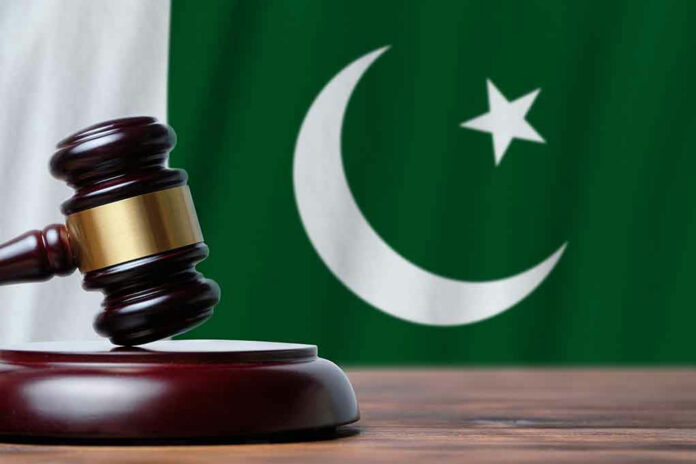
The Trump administration dispatches two trusted envoys to Pakistan this weekend for direct talks with Iran’s foreign minister, sidelining the Vice President who led earlier negotiations and betting on a new diplomatic formula to resolve a crisis that has global energy markets on edge.
Why Vance Stays Home While Trump’s Inner Circle Takes Over
The decision to send Witkoff and Kushner instead of Vance represents a calculated shift in diplomatic strategy. Vance previously traveled to Islamabad for what became the highest-level U.S.-Iran talks since the 1979 Islamic Revolution, but those discussions ended without agreement. The Vice President insisted on Iranian commitments to halt nuclear weapons development, a demand Tehran rejected outright. White House Press Secretary Karoline Leavitt confirmed Friday that President Trump decided to dispatch the two special envoys after Iranians expressed a desire for in-person talks, keeping Vance in reserve should his involvement become necessary.
The envoy substitution signals Trump’s willingness to experiment with different negotiating teams to break the impasse. Witkoff serves as Special Envoy to the Middle East, while Kushner brings his experience from Trump’s first term and family connections to the administration. Their selection suggests the White House believes a fresh approach might succeed where Vance’s nuclear-focused strategy stalled. Pakistan’s role as mediator provides neutral ground, with Prime Minister Shehbaz Sharif’s government working to facilitate discussions between the adversaries while managing its own regional security interests.
The Hormuz Blockade Complicates Every Calculation
Trump’s decision to extend the U.S. blockade of the Strait of Hormuz indefinitely while simultaneously extending the ceasefire creates a contradictory pressure dynamic. Iran initially refused to send negotiators to Islamabad this week precisely because of the blockade, which threatens global energy supplies flowing through the strategic waterway. The reversal came only after what the White House describes as progress from the Iranian side, though specific details remain undisclosed. This delicate balance between military pressure and diplomatic outreach reflects Trump’s characteristic approach: maintain leverage while pursuing deals.
The blockade affects far more than bilateral U.S.-Iran relations. Global oil and gas markets watch anxiously as roughly one-fifth of the world’s petroleum passes through the narrow strait under normal circumstances. Energy price volatility continues as traders weigh the prospects for de-escalation against the risk of renewed conflict. Israel’s security calculations, Lebanon’s Hezbollah dynamics, and broader Middle East stability all hinge on whether these Islamabad talks produce substantive progress. Pakistan assumes considerable risk by hosting negotiations between two powers that recently engaged in direct military confrontation.
Conflicting Reports and Questions About Envoy Effectiveness
Not everyone views the Witkoff-Kushner team favorably. Some Pakistani officials privately expressed concerns that while Vance built rapport with Iranian counterparts during his visit, the new envoys might complicate trust-building efforts. Sources cited by Al Majalla claimed Kushner and Witkoff previously prioritized Israeli interests over broader U.S. strategic goals in Middle East negotiations, though these assertions lack independent verification. The White House maintains optimism, with Leavitt emphasizing that Iran specifically requested in-person discussions and that positive developments are expected from Saturday’s meetings.
Confusion initially surrounded whether Vance would participate, with some reports suggesting his attendance before U.S. officials clarified his standby status. The messaging underscores the fluid nature of these negotiations and the administration’s willingness to adjust tactics as circumstances evolve. Iranian Foreign Minister Araghchi met with Pakistani officials Friday before the anticipated U.S. arrival, preparing the groundwork for potential direct talks. Whether the discussions yield concrete agreements on ceasefire extension, blockade modification, or nuclear program constraints remains uncertain as envoys prepare to board planes for Islamabad.
Sources:
Kushner, Witkoff to restart talks with Iran in Pakistan — without Vance – Politico
Witkoff and Kushner to meet Iranian foreign minister in Pakistan – The Jerusalem Post
Witkoff, Kushner to head to new Iran peace talks in Pakistan, White House says – CBS News
Witkoff and Kushner to meet Iranian foreign minister in Pakistan: White House – Axios
Trump-Iran war live updates: Strait of Hormuz, Pakistan talks, Israel – Fox News
‘Kushner and Witkoff Spoiled US-Iran Talks’ – Al Majalla