A twin‑engine plane crashed moments after takeoff near Saranac Lake, killing three generations of one family, including a 2-year-old, according to initial reports.
Story Snapshot
- Officials say a 1976 Piper Aerostar 601P crashed near Adirondack Regional Airport on Monday night.
- All three people on board died; early reports say they were three generations of the same family.
- Investigators from the National Transportation Safety Board (NTSB) and Federal Aviation Administration are probing the cause.
- The crash was the second fatal Adirondacks accident in two days, raising public safety questions.
What Happened After Takeoff Near Saranac Lake
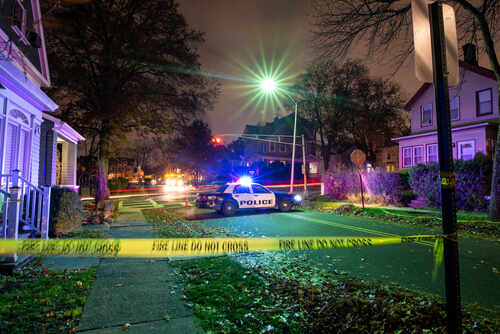
New York State Police said they were alerted around 11:15 p.m. Monday to a downed aircraft near Hearf’s Way and State Route 186, close to Adirondack Regional Airport in the town of Harrietstown. A 1976 Piper Aerostar 601P had taken off shortly after 10:30 p.m. and lost contact soon after liftoff. Reports said the airplane crashed into a wooded area and caught fire, leaving no survivors among the three on board. Investigators have not yet identified a cause.
Federal officials opened an investigation and secured the site. The National Transportation Safety Board said a team is examining the wreckage, flight path, and any available radar or communications data. The Federal Aviation Administration is supporting the probe, which will look at weather, pilot qualifications, maintenance records, and fuel, as is standard in fatal crashes. Authorities have not released final identifications pending formal notifications.
Victims and Early Reporting Limits
Local and regional outlets reported that the victims were three generations of one family, including a 2-year-old, citing early information from officials and community sources. Such details often emerge quickly but are refined as the coroner and National Transportation Safety Board confirm identities and timelines. At this stage, the “three generations” detail rests on media reporting, not a completed federal report. Officials have not yet issued a public, final victim list.
Families and readers often seek immediate answers after tragedies like this. Early facts can change as investigators review evidence and medical examiners finish their work. The National Transportation Safety Board typically publishes a preliminary summary within weeks, then a detailed final report months later. Those documents will confirm cause, contributing factors, and verified demographics when complete. Until then, open questions remain.
A Deadly Two-Day Stretch in the Adirondacks
This accident marked the second fatal small-plane crash in the Adirondacks in less than two days, heightening concern among residents and travelers. Clusters can make risk feel higher, even when events are unrelated. Investigators say each case is unique and must be assessed on its own facts. The earlier crash in the region prompted a separate probe, and no shared cause has been established between the incidents at this time.
Recent years show that small-plane crashes can stem from many issues, including weather, pilot decisions, and maintenance. In another upstate case, a preliminary National Transportation Safety Board report found no evidence of mechanical failure, pointing analysts back to human and environmental factors in that event’s timeline. Those examples explain why investigators avoid quick blame and instead test each link in the chain.
Why This Hits a National Nerve
General aviation is a vital part of life outside big cities. Small planes connect rural hospitals, businesses, and families. When a crash takes three lives, including a child, it shakes trust in a system people cannot see but rely on every day. Both conservatives and liberals agree on this much: when oversight is thin, and answers come slowly, it feels like government is not watching out for regular people who do everything right.
Ocean County Doctor, founder of the Jasper Spine Institute of Brick, along with his daughter & her 2-year-old girl died in a plane crash in upstate New York on Monday night
So sad 😢, reported on way to many small plane crashes it seems this year https://t.co/Bllelgy3mg
— Wake Up NJ 🇺🇸 New Jersey (@wakeupnj) July 16, 2026
Safety depends on steady, basic work that is easy to overlook: runway lighting, clear weather briefings, honest maintenance logs, and pilot training that matches the aircraft and the night conditions. Federal watchdogs will now check each step in that chain. If warnings were missed, they should say so in plain words. If the cause was a rare failure, they should show the proof so families can trust the findings.
What To Watch Next
Expect a short preliminary report from the National Transportation Safety Board that confirms the timeline and basic facts, followed by months of deeper analysis. Look for clarity on altitude after liftoff, power settings, instrument readings, and any distress calls. Watch for weather details at the time of departure and the crew’s experience with the Piper Aerostar model. Local officials will also release confirmed identities once the medical examiner completes formal steps.
Sources:
nypost.com, baaa-acro.com, data.ntsb.gov, faa.gov, youtube.com