A Democratic congressman is pushing a “Blue MAGA” remake to win back Trump-country workers with big-government spending plans and a new party identity.
Story Highlights
- Rep. Ro Khanna coined “Blue MAGA” to target workers who left Democrats for Donald Trump.
- Khanna rebrands “progressive capitalism” as “economic patriotism,” focused on manufacturing jobs.
- His plan leans on federal investment in factories, steel, and trade schools.
- Critics on the left and right say the label is branding without proof of voter gains.
Khanna’s ‘Blue MAGA’ Pitch To Win Back Workers
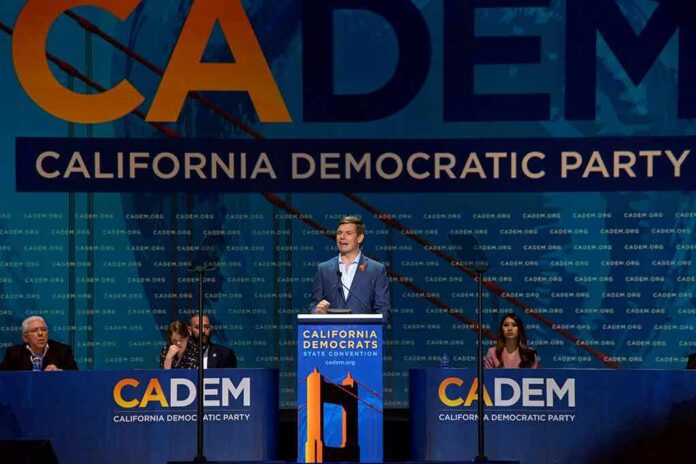
Rep. Ro Khanna says Democrats lost working and middle-class voters to Donald Trump and now need “Blue MAGA” to bring them back. He uses the label to court people who want strong jobs, stable pay, and a clear national mission. He says his party got stuck in lectures and purity tests, and he wants a reset that sounds more like heartland priorities than campus debates. The idea aims to meet real pain from factory towns with a promise to make and build again.
Khanna calls his plan “economic patriotism,” a rebrand of his old “progressive capitalism” theme. He ties it to a push for more American manufacturing, better wages, and simple pride in making things at home. He even jokes about the “Blue MAGA” label, but the targets are serious: jobs that let families save, buy a home, and keep their kids close. He frames it as a big-tent path to reconnect Democrats with people who feel left behind.
What The Agenda Would Do — And Who Pays
Khanna backs heavy federal spending to stand up factories and steel mills, expand trade schools, and drive resources into large sectors like higher education and health care. The promise is that the government can jumpstart industry and rebuild the middle class. That means Washington would pick projects, write checks, and try to steer the economy. Supporters call it a needed jolt. Skeptics see old industrial policy with new paint and a bigger bill for taxpayers.
His pitch nods at restraint abroad as well. Khanna partnered with Republican Rep. Thomas Massie on a war powers resolution to require Congress to approve military action against Iran. He says this keeps focus on needs at home and puts war decisions back in the hands of elected lawmakers. The move fits his message of spending less on foreign fights and more on American paychecks, tools, and training.
Branding Without Proof Of Voter Gains
So far, there is no direct data showing “Blue MAGA” is moving Trump voters back to Democrats. No fresh polling, no hard district flips tied to this pitch, and no passed laws that prove it works in practice. Khanna has not set a 2028 White House run, and he has treated the label as partly a joke, which blurs whether this is a real faction or just a headline. Until results come in, the idea remains a test, not a trend.
Media coverage treats the label as Khanna’s personal branding, not a formal party wing. Reports describe his plan to woo workers with manufacturing and jobs, but stop short of calling “Blue MAGA” a recognized platform with leaders and a whip count. That weak footing makes it easy for critics to dismiss the effort as copycat politics. It also raises a fair question for voters: is this a firm plan with bills and budgets, or a slogan meant to borrow Trump’s success with workers?
Pushback From The Left And Right
Left-wing critics and online activists slam “Blue MAGA” as a shallow attempt to mimic a movement they oppose. Some say it is tribal branding dressed up as policy, and they question whether tech-district leaders can speak for factory towns. Conservative media highlights these splits and argues the left lacks a true working-class base. The crossfire leaves Khanna pitching to voters who want jobs now, while his own side argues over names and purity.
For conservatives, the contrast is clear. The Trump economy centers on lower taxes, deregulation, energy dominance, and buy-American rules that unleash private industry. Khanna’s path runs through Washington boards, grants, and spending. He does show interest in constitutional checks on war power, which many on the right welcome. But on the core of growth, his model trusts planners over producers. Voters who lived through inflation and high energy prices will ask who actually lowers their bills.
What To Watch Next
Watch for a real bill that funds plants, trade training, and supply chains, with clear pay-fors. Look for proof that swing-district workers respond to this pitch in polling, town halls, and elections. Track whether Democrats embrace the label or drop it as midterms near. Most of all, follow outcomes on wages, prices, and energy. The promise is simple: more good jobs here at home. The test is tougher: does the plan deliver without more debt and more control from Washington?
Sources:
en.wikipedia.org, deseret.com, telegraph.co.uk, newsmax.com, yahoo.com