
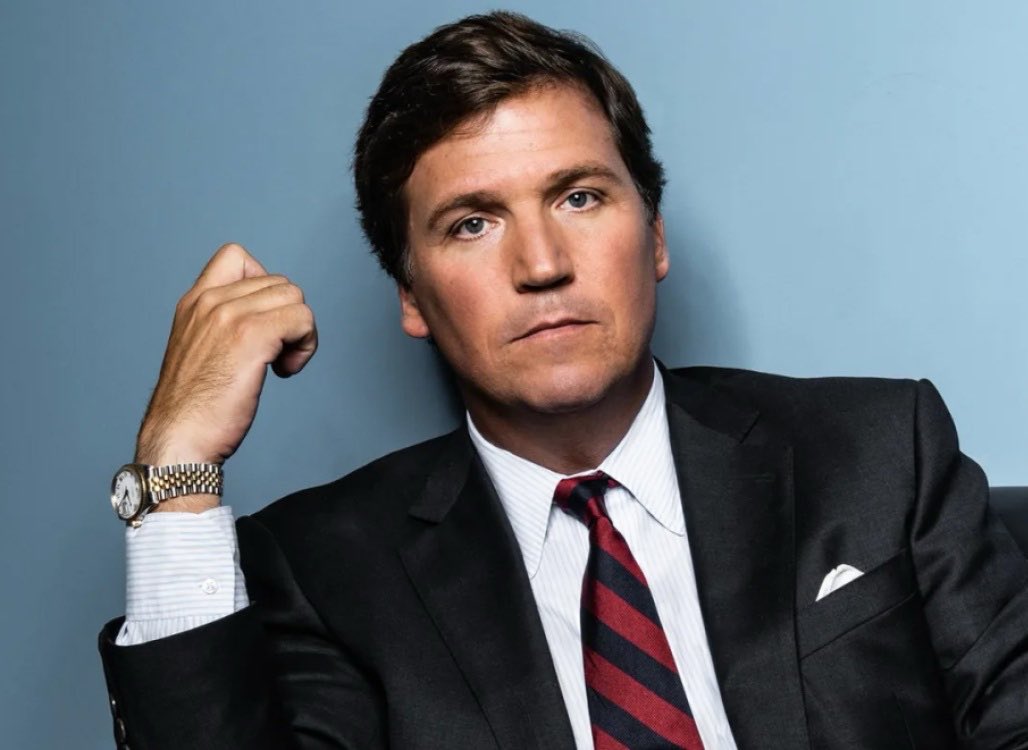
Former Fox News host Tucker Carlson has laid the groundwork for a 2028 presidential campaign, according to veteran Republican strategist Rick Wilson, who warns the media personality could dominate a crowded GOP primary field while establishment candidates struggle for traction.
Campaign Launch Disguised as Interview
Wilson identified Carlson’s recent New York Times interview as a calculated campaign launch rather than casual media engagement. The strategist documented how Carlson has deliberately distanced himself from President Trump over recent months, positioning himself as an independent voice while the administration’s approval ratings sink into the teens. This strategic separation allows Carlson to criticize Trump’s influence on Vice President JD Vance and the MAGA movement without alienating the Republican base entirely.


The timing proves significant as Trump faces constitutional term limits despite his Monday remarks suggesting he might remain in office for eight or nine more years. Trump turns 80 in June, and Wilson argues the president’s self-destructive behavior has created an opening for candidates who can claim the populist mantle without Trump’s baggage.
Weak Competition Clears Carlson’s Path
Wilson delivered harsh assessments of potential 2028 rivals. He dismissed Florida Governor Ron DeSantis as a spent force lacking charisma, labeled former UN Ambassador Nikki Haley as a candidate without a constituency, and described Vice President Vance as irreparably damaged by Trump association. The strategist identified Senator Marco Rubio as Carlson’s only serious competition in a field that could include over 20 semi-serious candidates.
In fractured early primaries across Iowa, New Hampshire, and South Carolina, Wilson calculated that candidates need only 15 percent support and a compelling narrative rather than overwhelming majorities. Carlson’s decades of broadcasting experience and populist messaging could prove decisive advantages over traditional politicians.
What This Means
Wilson warned Democratic strategists to take the threat seriously, distinguishing Carlson from Trump as a professional broadcaster rather than a real estate developer who stumbled into political success. The combination of media expertise, populist credentials, and a weakened Republican establishment could make Carlson a formidable candidate. Trump’s cult-like faction may persist for years, but constitutional limits and declining poll numbers suggest 2028 will demand fresh faces capable of energizing conservative voters beyond Trump’s core supporters.